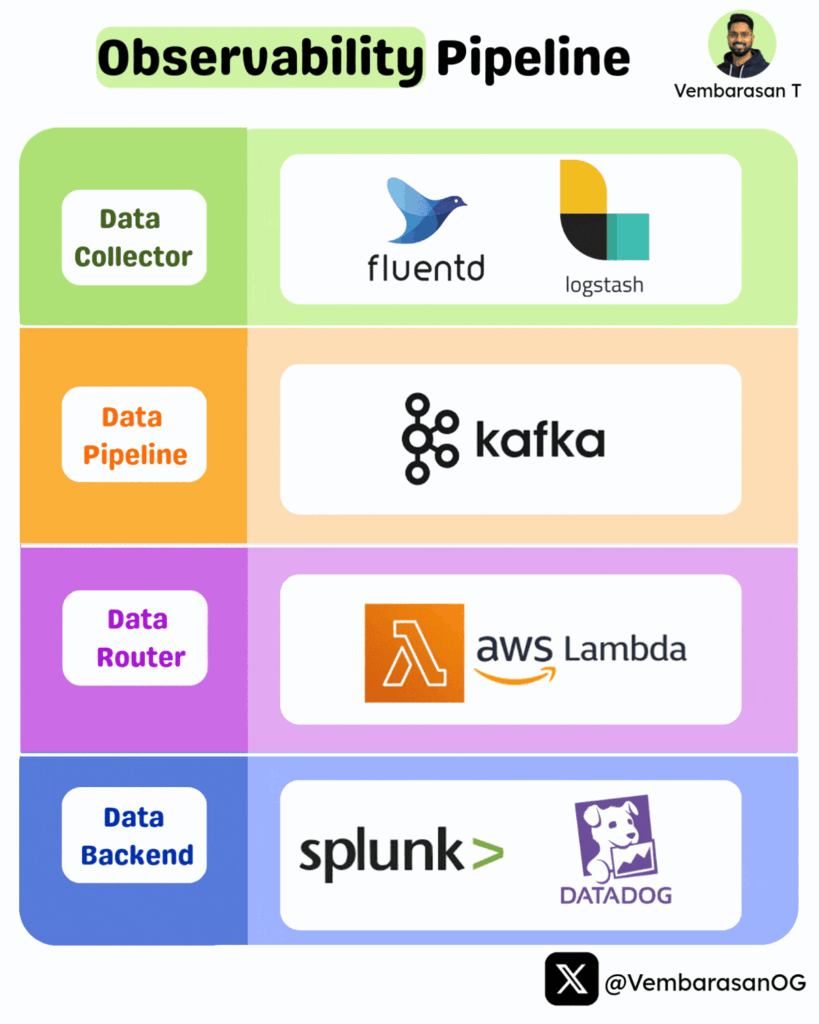
DevOps observability helps us to see what’s happening inside apps so we can find and fix issues faster. However, the cost of observability tools can grow quickly and eat into our budgets if not managed carefully.
It uses 3 core components:
- Traces to follow requests across services.
- Metrics to measure health and performance.
- Event logs to record activities across systems.
These help us to pinpoint errors and bottlenecks in distributed environments.
What Drives Observability Costs
Observability costs depend on several things.
Business model
- On-premise solutions have higher upfront costs.
- SaaS tools use subscription or pay-as-you-go pricing.
Software ecosystem
- Closed ecosystems may charge extra when adding data sources.
Pricing model types
- User-based: counts users.
- Service-based: tracks monitored services.
- Infrastructure-based: counts hosts, agents, nodes.
- Telemetry-based: measures data ingestion and queries.
How to Manage Costs and Boost ROI
Choose the Right Pricing Structure
Start with a pricing plan that aligns with usage and growth.
- Avoid rigid tier jumps as usage grows.
- Prefer flexible plans that scale automatically.
- Predict future spend with transparent pricing.
Understand Total Cost of Ownership
Look beyond upfront fees.
- Training staff’s on tools.
- Smooth scaling without outages.
- Integrating new tools into existing tech.
- Switching from open-source to paid tooling.
Prepare and Train Internal Teams
Prepare the team before expanding observability.
- Plan for handling outages and spikes.
- Invest in training so they can extract value from tools.
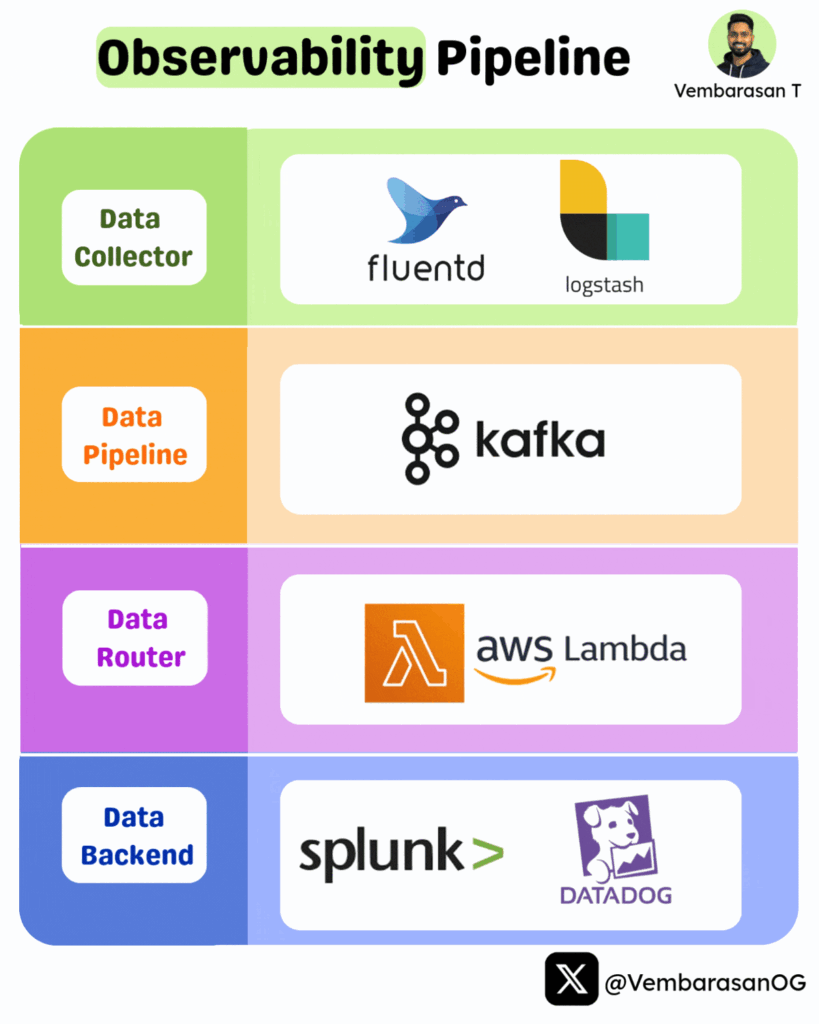
- Map your DevOps pipeline to know what telemetry matters.
Build Sustainable Observability Practices
A mature observability strategy balances cost and value.
- Set clear goals for what you want to observe.
- Define workflows and KPIs to measure success.
- Encourage collaboration to refine practices over time.
Practical Takeaways
- Review pricing models before you commit.
- Train staffs to use observability tools well.
- Focus on which data matters most to your goals.
- Build observability practices that improve over time.
- Estimate total ownership cost, not just subscriptions.
Controlling observability costs helps us to keep budgets in check while retaining visibility into systems. A thoughtful, strategic approach to tooling and usage leads to better ROI from observability.
Hi, this is a comment.
To get started with moderating, editing, and deleting comments, please visit the Comments screen in the dashboard.
Commenter avatars come from Gravatar.